Spring Storm Preparation: Protecting Your Trees in Southern Wisconsin
April in Southern Wisconsin marks the beginning of storm season. Warm, moisture-laden air from the south collides with lingering cold fronts, producing severe thunderstorms, high winds, and occasionally tornadoes. For homeowners in Janesville, Madison, Beloit, and surrounding communities, now is the time to assess your trees before the first major storm arrives.
Why Spring Storms Are Dangerous for Trees
Trees that survived winter may still be vulnerable. Ice damage from February and March can leave internal fractures in branches that appear healthy from the ground. As leaves emerge in April and May, they add significant wind resistance to the canopy — turning weakened branches into projectiles during high winds.
Southern Wisconsin averages 35-45 thunderstorm days per year, with the most severe activity concentrated between April and August. Rock County and Dane County sit in a corridor that frequently produces straight-line winds exceeding 60 mph.
5 Steps to Storm-Proof Your Trees This Spring
1. Inspect for Winter Damage
Walk your property and look up. Signs of trouble include hanging branches (called "widow makers"), cracks where limbs meet the trunk, and bark that has split or peeled away. Pay special attention to trees near your home, garage, fence lines, and power lines.
2. Remove Dead and Dying Branches
Dead wood doesn't bend — it breaks. Removing deadwood before storm season eliminates the most common source of property damage during high winds. A certified arborist can identify which branches are dead versus dormant, especially early in spring before full leaf-out.
3. Assess Structural Weaknesses
Trees with co-dominant stems (a trunk that splits into two equal-sized leaders) are prone to splitting during storms. V-shaped unions where bark is included between the stems are particularly risky. Cabling and bracing can reinforce these structures without removing the tree.
4. Check Root Zone Health
Saturated spring soils weaken root anchorage. Trees that have been leaning gradually, or those with soil heaving on one side of the base, may be at risk of complete failure in high winds. Root zone issues are often invisible until it is too late — this is where a professional risk assessment provides real value.
5. Plan for Emergency Response
Know who to call before you need them. Having an emergency tree service provider already identified means faster response when a storm hits. Keep the number accessible — not buried in a junk drawer.
Trees Most Vulnerable to Storm Damage in Wisconsin
Not all species handle storms equally. Silver maples are notorious for weak wood and storm breakage. Bradford pears split easily at their tight branch unions. Ash trees weakened by emerald ash borer are especially dangerous — they can snap without warning even in moderate winds.
Oaks, while generally strong, are vulnerable to oak wilt if pruned during the growing season. If storm damage exposes fresh wounds on your oaks between April and October, contact an arborist immediately about wound treatment to prevent infection.
What to Do After Storm Damage
If a storm damages trees on your property, safety comes first. Stay away from downed trees near power lines — always assume lines are live. Document damage with photos for insurance purposes before any cleanup begins.
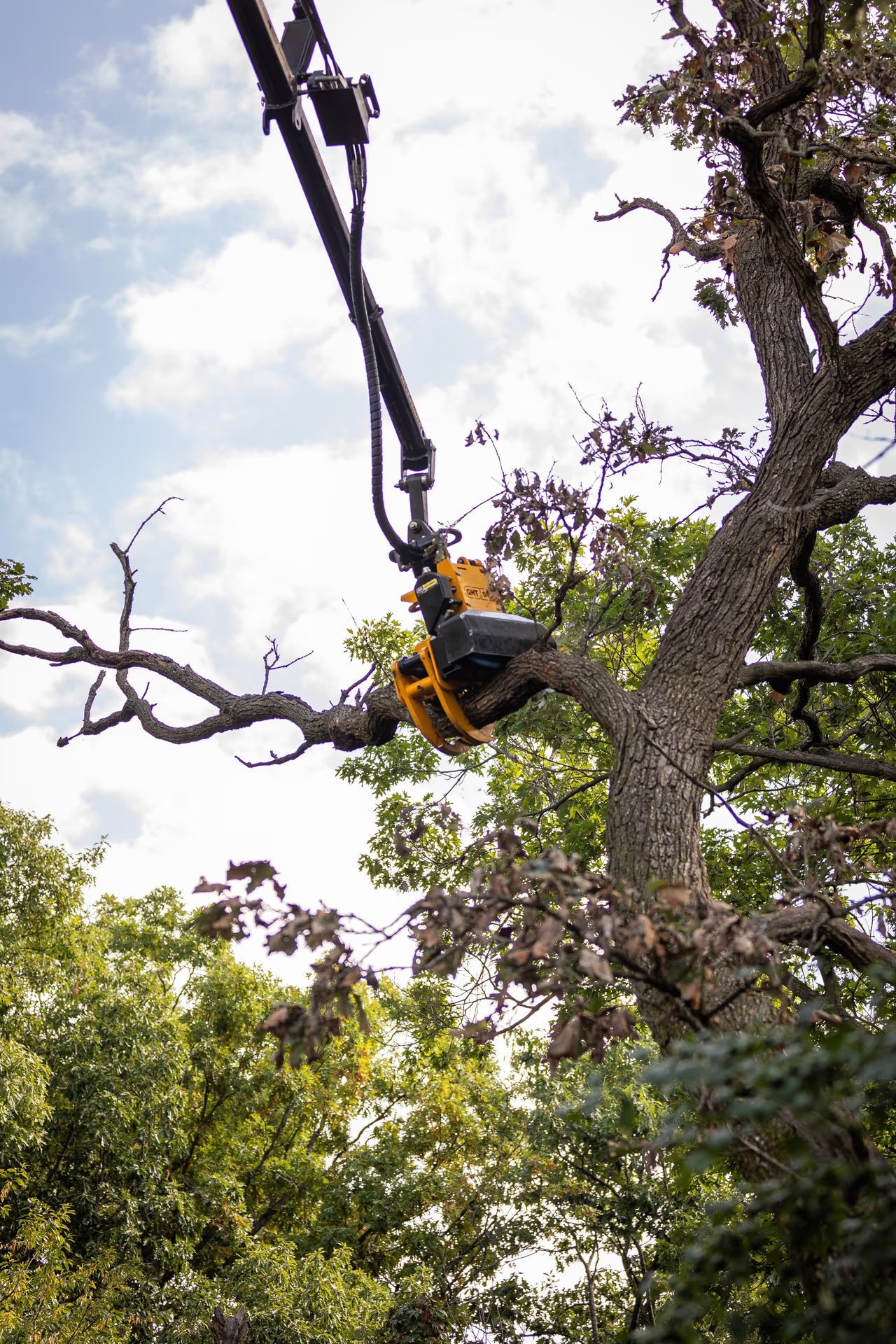
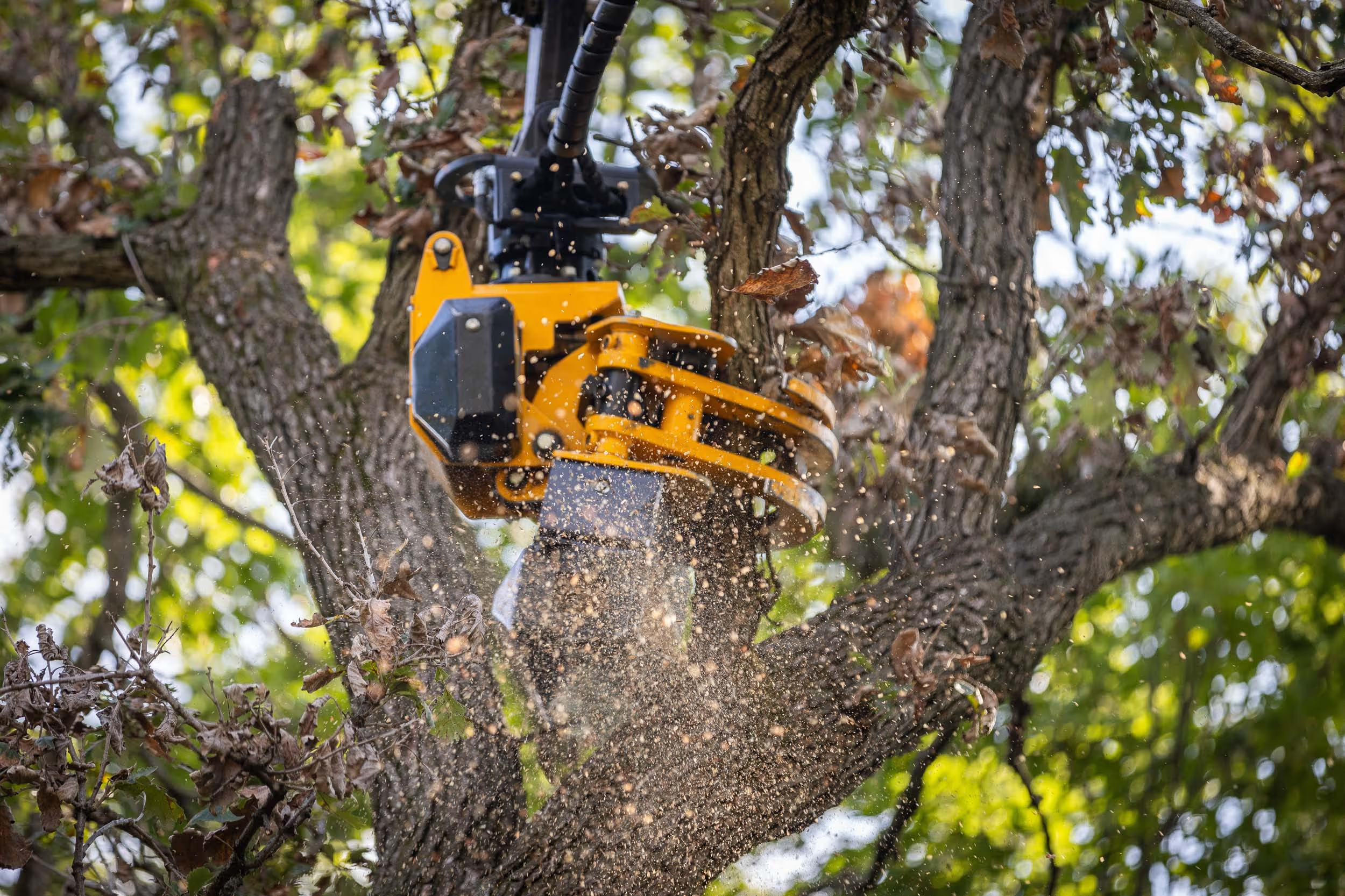
For emergency tree removal, Tree Wise Men LLC offers 24/7 response across Rock, Dane, Walworth, and Jefferson counties. Our crews are equipped with crane trucks and grapple saws to safely handle storm-damaged trees, even in tight spaces near structures and utilities.
Schedule Your Spring Assessment
The best time to address storm hazards is before the storm. A 30-minute property walk-through with a certified arborist can identify risks you might miss from the ground. Most issues are far less expensive to address proactively than reactively after damage occurs.
Contact Tree Wise Men LLC at (608) 751-4171 or request a free estimate online to schedule your spring tree assessment.