Trees on the Yahara: Why Stoughton Riverbank Trees Fail After Wet Springs
Every few years the same thing happens in Stoughton: a wet spring saturates the ground along the Yahara River, a straight-line wind event rolls through in early summer, and a cluster of big, healthy-looking trees along the water goes over at the roots — often onto the very houses they've been shading for fifty years. It looks random. It isn't.
Quick answer
Riverbank and lakeshore trees in Stoughton fail because saturated soil can't anchor a root plate. A tree that would stand through a 60 mph wind on dry ground can rotate right out of wet ground in a 45 mph gust, with no rot, no disease, nothing wrong with the tree itself. A new or increasing lean toward the house after a wet spring is the signal to act, and shoreline removals almost always mean a crane.
Why the Yahara corridor is different
The soils along the river and on the Kegonsa shoreline stay wet longer than the uplands, and the trees growing there — silver maple, cottonwood, willow, box elder — are exactly the species that colonize wet ground: fast-growing, shallow-rooted, heavy-crowned. Their roots spread wide but not deep, which works as long as the soil holds them. After a spring like the ones the river corridor gets every few years, it doesn't. The tree's own weight, leaning a little toward the light over the water, becomes the lever that pulls the root plate up.
The lean that means act now
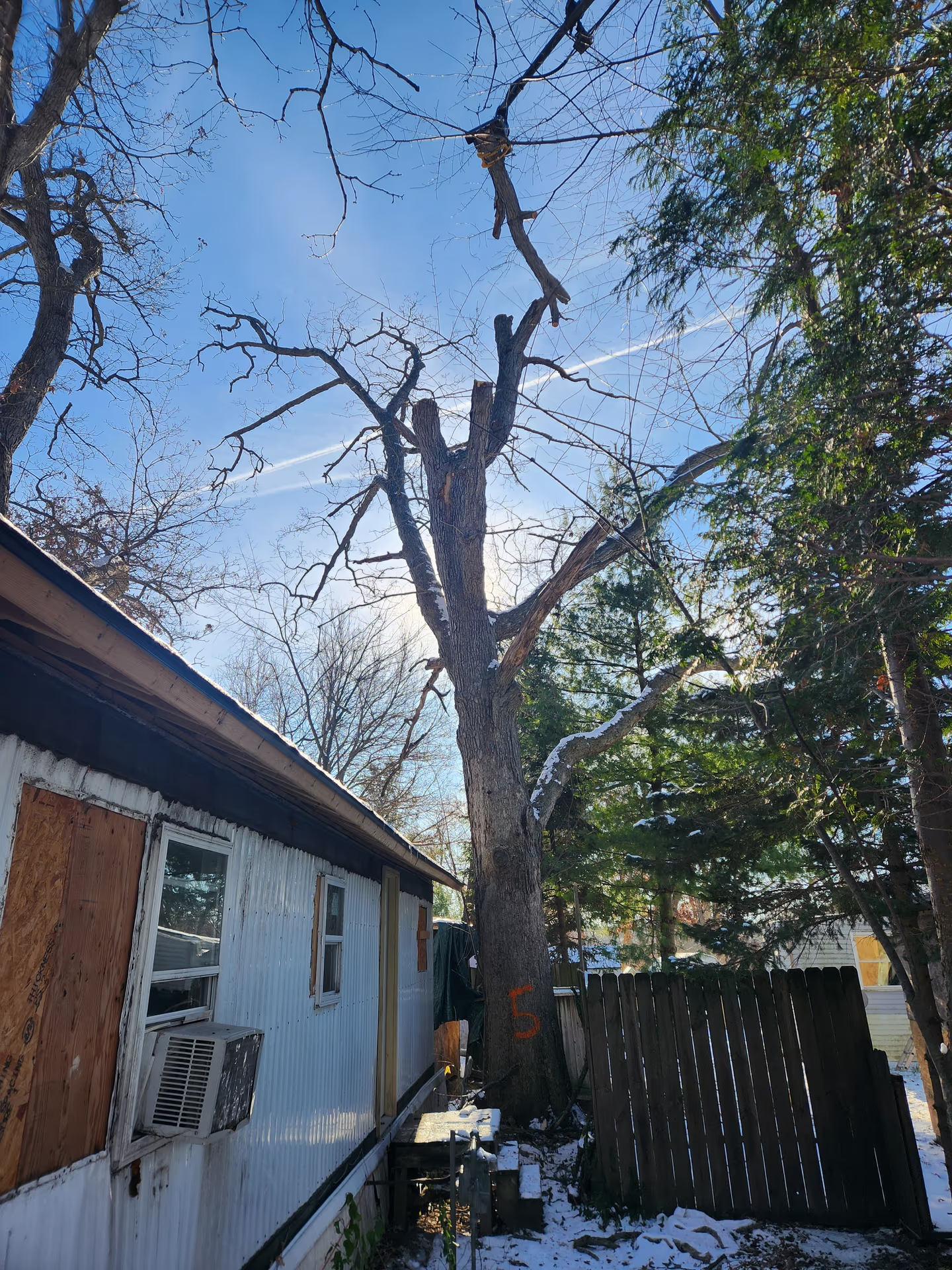
Trees grow toward light, and a riverbank tree that has leaned gently toward the water for decades is normal. What's not normal:
- A lean that's new, or noticeably worse than last year, especially toward a structure.
- Soil heaving or cracking on the side away from the lean — the root plate is lifting.
- Exposed roots on the high side that weren't visible before.
- A tree that moved during a storm and didn't fall. It rarely settles back; it usually keeps going.
Any of these on a tree that could reach a house, garage, pier, or boathouse is a remove-now conversation. A tree that's started to move rarely stops on its own.
Why shoreline removals are crane jobs
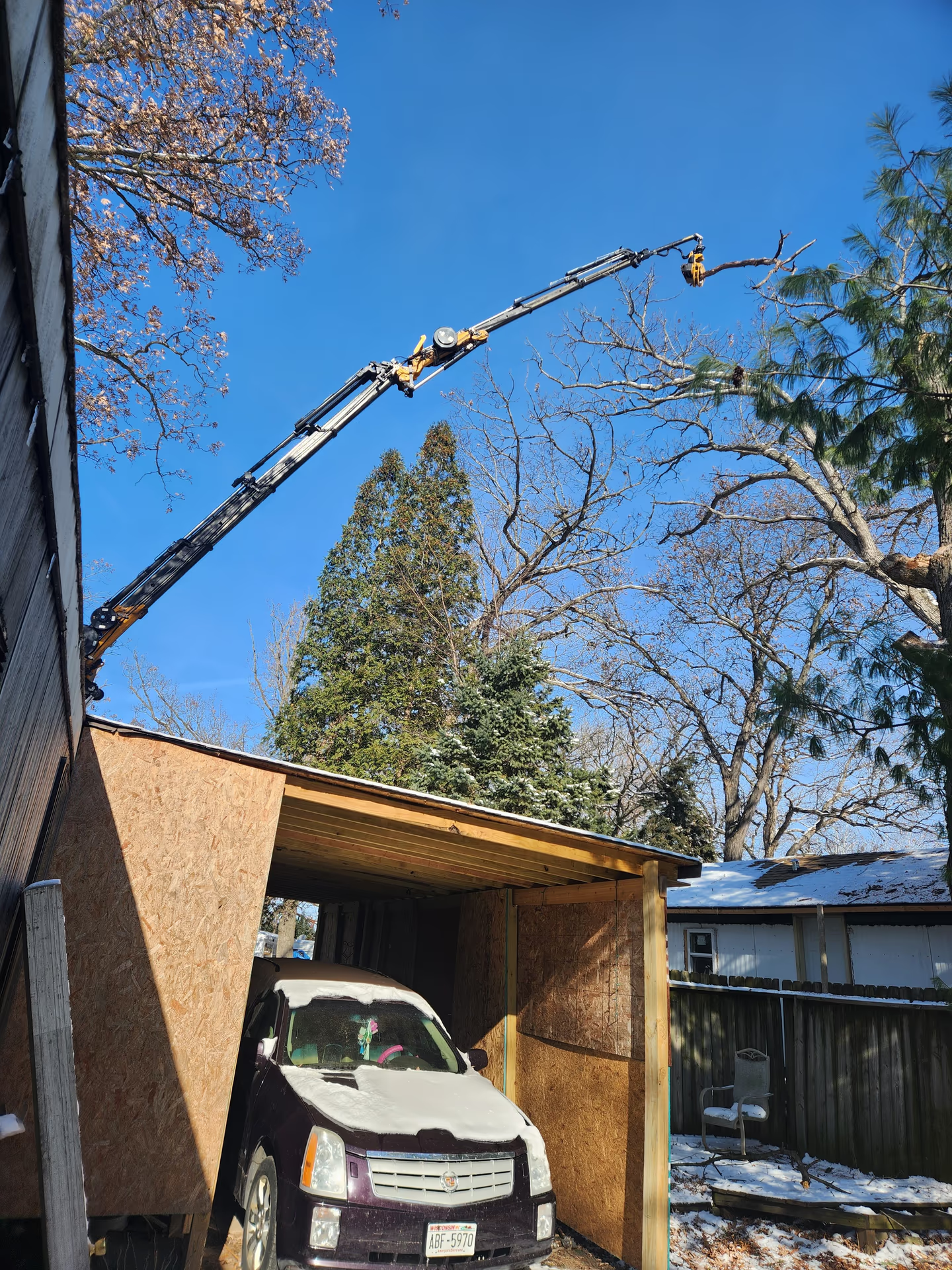
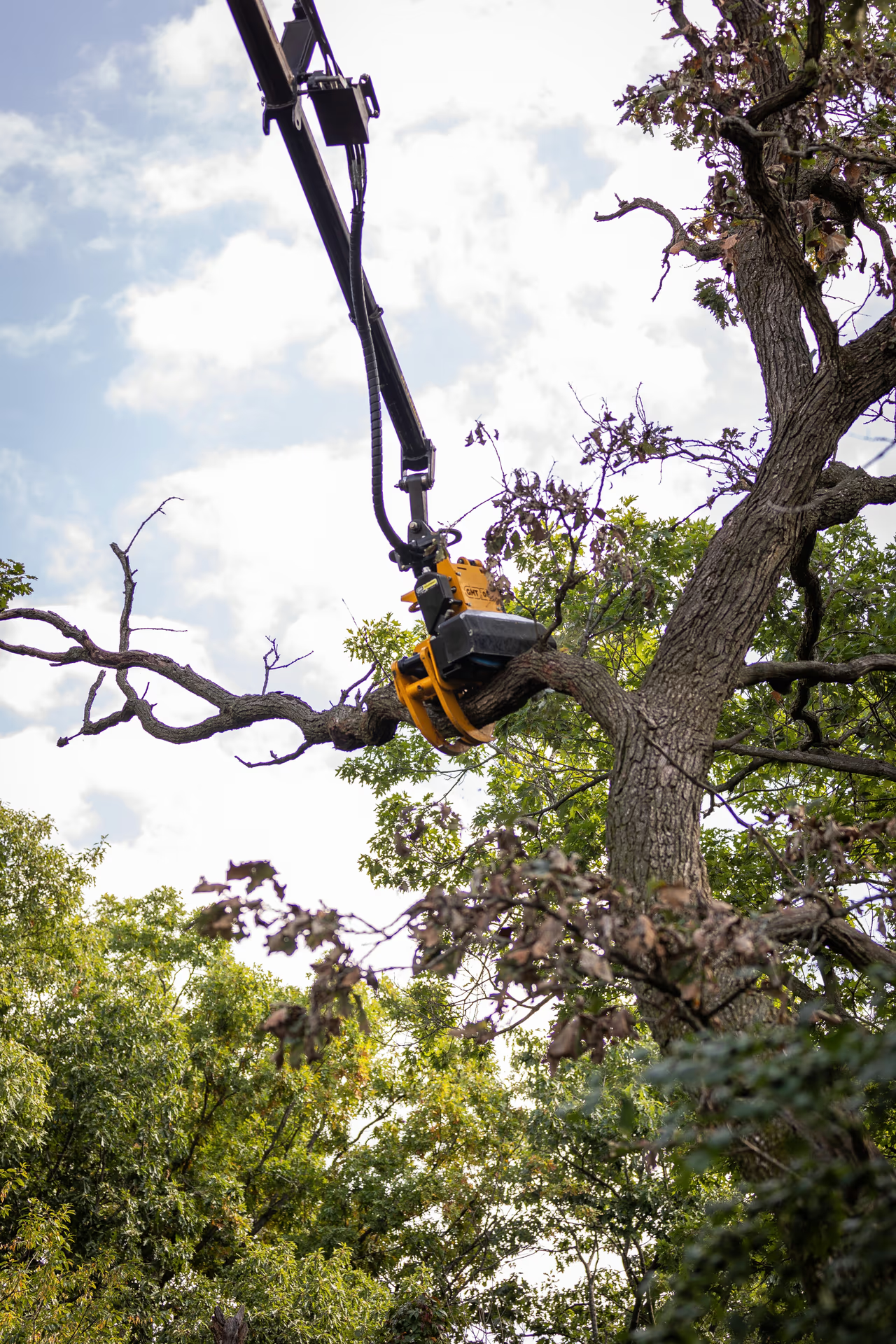
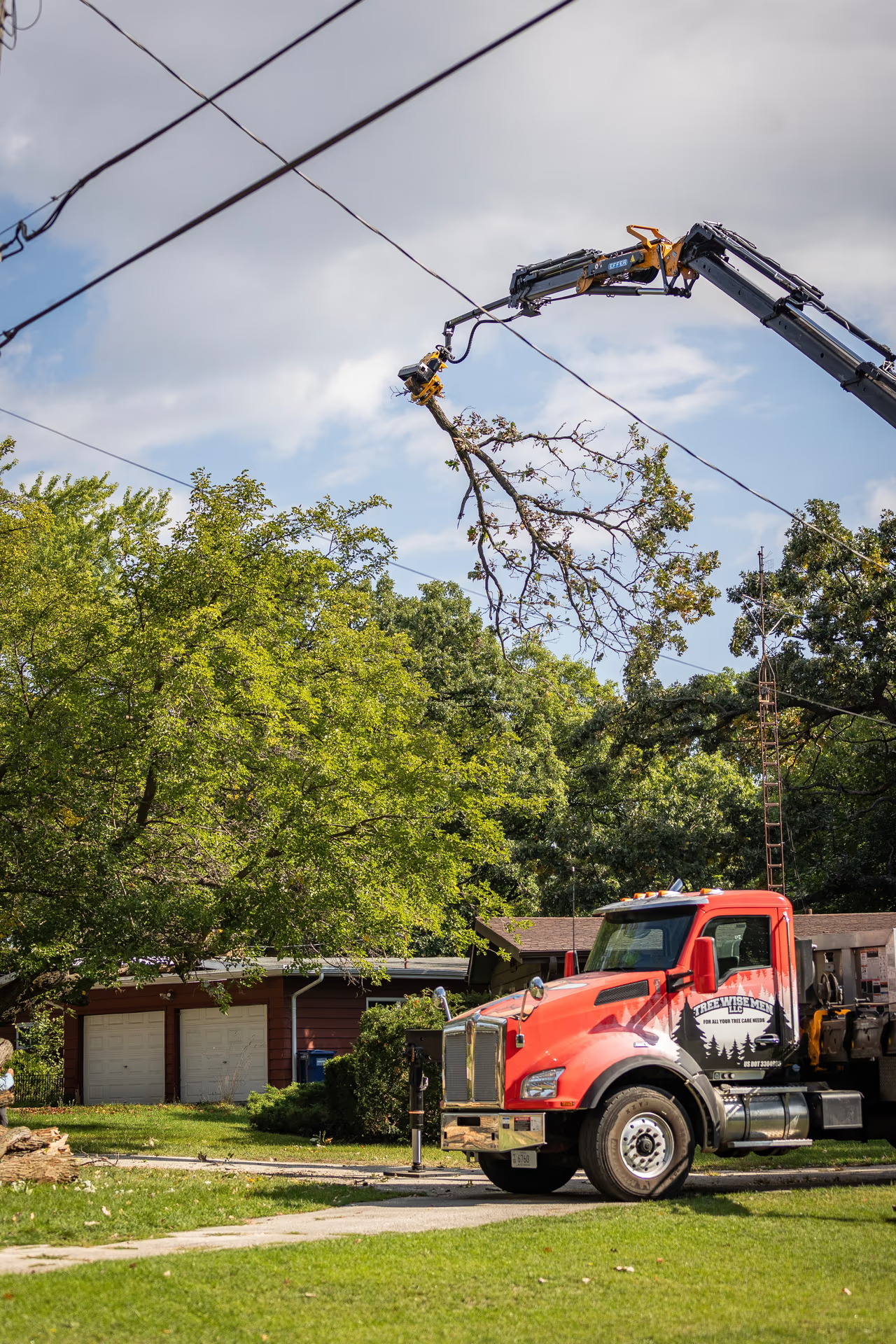
On a Kegonsa lot or a Yahara riverbank property there's usually a house on one side, water on the other, a slope between, and no room to fell anything. The safe method is a crane: outriggers set on protected ground, each section lifted clear of the house and the water and set down where the crew can process it. It's more expensive than a removal in an open yard — the Stoughton tree removal page has the cost table — but it's the difference between a controlled morning and a boathouse claim. Our crane tree removal cost guide explains what the crane adds to the bill. Work near the water can involve Dane County shoreland rules, and we handle that coordination as part of the job.
What you can do before the tree decides
- Reduce the sail. Thinning a dense crown and reducing end weight on long limbs takes load off both the branches and the root plate. On a healthy shoreline tree this is the best preventive spend there is.
- Don't add weight to wet ground. Heavy equipment, fill, or a new patio over the root zone compacts and stresses roots that are already working hard.
- Get the lean measured. An arborist can photograph and measure a lean so that next spring's comparison isn't a guess.
The utility detail that's unique to Stoughton
Stoughton runs its own municipal electric utility — Stoughton Utilities, not MGE — and any tree in service lines or utility easements needs clearance coordinated with them specifically before we work. We have working relationships with both utilities; it adds a few days of lead time, not cost.
Get it looked at
Our Madison office is twenty minutes from Stoughton and our crews are in town regularly. A riverbank or shoreline assessment is free, and it ends with a straight answer: reduce, cable, or remove — and if it's on a structure already, we run 24/7 response.
- Preventive pruning and pricing: tree trimming in Stoughton.
- Tree already down or hanging: 24/7 storm response.
- All of our Stoughton tree services, or book a free estimate online.
Tree Wise Men LLC is a TCIA Accredited, ISA Certified tree care company serving Stoughton and all of Dane County from our Madison office. Call (608) 716-4167.